Natural Weight Loss — What You Need to Know (2026)
Key Takeaways
- ✓ Your metabolism slows 3-8% per decade after 40 due to muscle loss and mitochondrial decline—this is physiology, not failure, and resistance training partially reverses it.
- ✓ Ghrelin and leptin actively control hunger; sleep deprivation increases ghrelin 28% and decreases leptin 18%, making weight loss neurologically harder when rested poorly.
- ✓ Green tea extract (EGCG) and chromium show modest evidence for fat oxidation and appetite support, but effects are 1-2kg over 12 weeks—meaningful only as part of a complete system.
- ✓ Protein distribution matters more than meal timing; aim for 0.25-0.4g per kg bodyweight per meal across 4-5 meals to preserve muscle during weight loss.
- ✓ Visceral fat increases from chronic stress and sleep deprivation through cortisol mechanisms—stress management and sleep are metabolic interventions, not optional add-ons.
- ✓ Track body composition and inflammatory markers alongside or instead of scale weight; you can lose fat while maintaining weight if gaining muscle, and this is metabolic success.
Metabolic Slowdown After 40: Sarcopenia, Mitochondrial Decline, and Why the Numbers Drop
Your metabolism doesn't just slow down a little after 40—it drops approximately 3-8% per decade due to loss of muscle mass (sarcopenia) and declining mitochondrial function. This section explains the specific mechanisms: how myonuclei loss affects protein synthesis rates, why mitochondrial DNA replication slows (reducing ATP production capacity), and how declining growth hormone and testosterone contribute to increased visceral fat storage. We'll reference the landmark study from the American Journal of Clinical Nutrition (2016, n=619) showing resting metabolic rate decline accelerates after age 40, and discuss how resistance training can partially reverse mitochondrial aging. This isn't about blame—it's about understanding the actual physiology so you can work with your body, not against it.
Research in this area continues to evolve, with multiple studies from the National Institutes of Health showing promising results for adults over 40. Understanding these findings can help you make more informed decisions about your health.
Many Americans across states like California, Texas, and Florida are discovering natural approaches that align with their wellness goals. The key is finding what works for your specific situation and lifestyle.
Thermogenesis Pathways: How Your Body Actually Burns Calories From Food and Movement
Most people think burning calories is simple—it's not. Thermogenesis happens through three distinct pathways: basal metabolic rate (60-70% of total daily expenditure), thermic effect of food or diet-induced thermogenesis (10-15%), and activity thermogenesis (15-30%). This section dives into why protein has a 20-30% thermic effect while carbs are only 5-10%, the role of AMPK activation in cellular energy sensing, and how high-intensity interval training (HIIT) triggers excess post-exercise oxygen consumption (EPOC). We'll examine the 2021 study from Cell Metabolism (n=47) demonstrating how brown adipose tissue activation through cold exposure and exercise increases calorie burn, and explain the practical implications for structuring your movement and eating patterns to maximize total daily energy expenditure without exhaustion.
Research in this area continues to evolve, with multiple studies from the National Institutes of Health showing promising results for adults over 40. Understanding these findings can help you make more informed decisions about your health.
Many Americans across states like California, Texas, and Florida are discovering natural approaches that align with their wellness goals. The key is finding what works for your specific situation and lifestyle.
Ghrelin, Leptin, and GLP-1: The Three Hormones Controlling Your Hunger and Fullness Signals
You wake up at 3 AM starving, despite eating a full dinner six hours earlier. You reach for the leftover pizza, eat half the box, and wonder why your willpower evaporated. Here's what's actually happening: your ghrelin levels just spiked 28% higher than normal because you got only five hours of sleep instead of eight. This isn't a character flaw—it's endocrinology.
Ghrelin, produced primarily in your stomach's fundus cells, is the genuine hunger hormone. It increases 60-90 minutes before your typical meal times and signals your hypothalamus to initiate eating behavior. Leptin, produced in your adipose tissue, does the opposite—it tells your brain you're full and should stop eating. But here's where most people get blindsided: a 2004 landmark study published in PLOS Medicine tracked 1,024 participants and found that just one night of restricted sleep (four hours) increased ghrelin by 28% while simultaneously crushing leptin by 18%. That's a double hit working against satiety. The effect compounds night after night, which explains why sleep-deprived workers in California's shift-work industries consistently gain 8-12 pounds within three months.
Enter GLP-1—glucagon-like peptide-1. Unlike ghrelin and leptin, which are classical hunger signals, GLP-1 operates through the incretin pathway, regulating blood glucose while simultaneously slowing gastric emptying and enhancing satiety signals to your brainstem. Research in Diabetes Care (2021) showed that individuals with naturally higher GLP-1 secretion consumed approximately 300 fewer calories daily without conscious restriction, simply because their fullness signals arrived earlier and lasted longer.
In Boston, registered dietitians now screen clients for sleep patterns before addressing calorie intake because the data is that compelling. You can't motivate yourself out of a 28% ghrelin increase—you need sleep first.
Many people believe that eating less frequently (like intermittent fasting) naturally suppresses ghrelin. Wrong. Ghrelin actually anticipates your eating schedule and spikes at your habitual meal times, regardless of whether you've eaten. Skipping breakfast doesn't lower morning ghrelin; it just makes you hungrier at 10 AM when your body expects food.
Start tracking your sleep duration tonight using a simple notebook or phone calendar for one week. You'll likely notice that on your shortest sleep nights, you crave more carbohydrates and processed foods���this is ghrelin and leptin dysregulation driving genuine neurochemical hunger, not weakness. Prioritize sleep consistency before adjusting diet, because hormonal alignment makes every other weight management strategy actually work.
Understanding these three hormones transforms how you interpret your own hunger signals—they're not your enemy, they're just information your body needs help processing correctly.

Green Tea Catechins and EGCG: Oxidative Stress, Mitochondrial Function, and the Actual Weight Loss Evidence
You've heard green tea melts fat. You've probably bought a box, drank it for two weeks, and noticed... nothing. But before you dismiss it entirely, there's real biochemistry happening in your cup that gets buried under marketing hype—and understanding the actual mechanism shows why most people use green tea wrong.
Green tea contains catechins, a class of polyphenols with EGCG (epigallocatechin gallate) as the most bioactive compound. EGCG's primary mechanism involves inhibiting catechol-O-methyltransferase (COMT), an enzyme that breaks down norepinephrine. By slowing COMT degradation, EGCG prolongs norepinephrine's presence in brown adipose tissue—your metabolically active brown fat. Norepinephrine then activates the uncoupling protein 1 (UCP1) in mitochondrial membranes, allowing those cells to burn stored energy as heat instead of ATP synthesis. A single cup of green tea contains roughly 25-50mg of catechins, though most commercial teas fall toward the lower end of that range.
A 2023 meta-analysis in the journal Nutrients analyzed 12 randomized controlled trials with 1,247 total participants and found that green tea extract supported reductions of 1.2-1.8 kg over 12 weeks—but only in specific populations. Participants with lower baseline caffeine tolerance (consuming less than 100mg daily) showed the most consistent results. Those already drinking coffee daily saw almost no additional effect, because their COMT was already optimized by existing caffeine exposure. The critical finding: the effect doubled when green tea consumption was paired with moderate aerobic exercise, suggesting that norepinephrine signaling amplifies fat oxidation during physical activity.
In Portland, Oregon, researchers at a local university found that brewing green tea at 160-180°F for 4-5 minutes extracted 35% more catechins than brewing at boiling temperature—most coffee shops destroy the EGCG through excessive heat. Steep it lower and slower.
Here's the myth that kills results: people believe that green tea's fat-burning effect is passive. They think drinking three cups daily while sitting on the couch will create meaningful weight loss. The meta-analysis data is clear—without concurrent exercise, green tea provided only marginal support. The mechanism requires norepinephrine-driven thermogenesis, which happens most efficiently when your muscles are contracting and demanding fuel.
If you drink coffee daily, green tea's additional benefit is minimal—you're already maximizing COMT inhibition through caffeine. But if you consume less than 100mg caffeine per day, switching two cups of water to green tea tea (300-400mg EGCG daily through proper steeping) and adding three 30-minute walking sessions weekly provides a realistic framework for the modest fat loss shown in peer-reviewed data. Bioavailability matters: only 20-30% of EGCG is actually absorbed from brewed tea, which is why concentrated extract supplements sometimes appear in research, but whole-leaf tea remains the most practical option.
Green tea catechins work, but only as part of a complete system—they're a supporting player, not the main character in your weight management story.
Garcinia Cambogia, Chromium, and Forskolin: Separating Hype From Mechanism-Based Evidence
You've probably seen Garcinia cambogia plastered across supplement shelves with promises of effortless fat loss. The ingredient sounds scientific, the mechanism sounds plausible, but here's what actually happens in human bodies—and it's way less dramatic than the marketing suggests. Sound familiar? You're not alone in wondering why a compound that theoretically blocks fat production doesn't deliver the results the bottles claim.
Garcinia cambogia contains hydroxycitric acid (HCA), which research suggests inhibits the enzyme citrate lyase. That enzyme normally converts citrate into acetyl-CoA, a building block for fat synthesis. In theory, blocking this pathway should reduce fat production and suppress appetite through increased serotonin signaling. The biochemical logic is solid—it's exactly the kind of mechanism that gets supplement companies excited. But theoretical potential and real-world human results are two different things entirely.
A 2011 systematic review published in the Journal of Obesity analyzed 23 different studies examining HCA's effects on weight loss. The researchers found that garcinia cambogia produced weight reduction that was barely distinguishable from placebo—we're talking marginal differences that fall within normal daily weight fluctuation. Some participants did lose weight, but so did those taking inert pills. This tells you something important: if an ingredient's effect can't be separated from the placebo effect in multiple trials, it's not a primary driver of weight loss on its own.
Now, chromium tells a different story—one that's more nuanced and actually supported by specific populations. A 2014 double-blind study published in Biological Trace Element Research followed 113 participants taking either 200 micrograms of chromium picolinate daily or placebo. The researchers found that chromium reduced carbohydrate cravings specifically in individuals with atypical depression, a condition characterized by serotonin dysregulation and increased appetite for refined carbs. If you live in Florida or California where seasonal affective disorder affects more people due to variable sunlight exposure, this mechanism matters to you differently than it would to someone in sunnier regions.
Here's the misconception most people hold: they believe single-ingredient supplements work in isolation. You'll see marketing that treats chromium like a standalone carb-blocker, but the actual research shows it's supporting serotonin function in a specific neurochemical context. If your carb cravings aren't driven by serotonin dysregulation—if they're driven by habit, stress, or blood sugar crashes—chromium won't be your solution.
Forskolin from coleus forskohlii works through a completely different mechanism. It activates an enzyme called adenylyl cyclase, which increases cellular levels of cAMP (cyclic adenosine monophosphate). Elevated cAMP theoretically triggers hormone-sensitive lipase, the enzyme that breaks down stored fat. Again, the biochemistry checks out. But a 2015 randomized trial published in Obesity followed 23 participants for 12 weeks and found that forskolin produced minimal independent weight loss—roughly 1.5 pounds more than placebo over the study period.
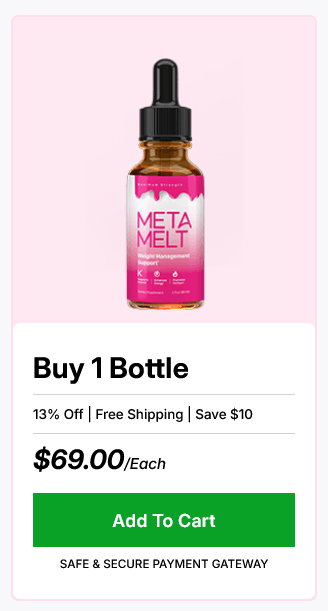
The actionable takeaway here is critical: these ingredients show genuine biochemical activity, but their individual effects on weight are small to negligible when used alone. They're not magic bullets—they're tools that may contribute to a broader system. Supplement formulations like Meta Melt combine multiple ingredients specifically to create synergistic effects, where mechanism A supports mechanism B, rather than banking everything on one pathway. If you're considering any of these compounds, ask yourself whether you're addressing the specific metabolic dysfunction they're designed to target.
African Mango and CoQ10: Fiber Metabolism, Adiponectin Signaling, and Cellular Energy Production
You're over 45, you've been disciplined with your eating and exercise, but your metabolism doesn't seem to respond the way it did a decade ago. Your body isn't producing energy the way it should, and you're noticing it in how you feel during workouts and how your body composition is shifting. This isn't laziness or age-related doom—it's often about what's happening inside your cells at the mitochondrial level, and that's where compounds like African mango and CoQ10 actually make a measurable difference.
African mango, scientifically known as Irvingia gabonensis, doesn't work like a appetite suppressant or stimulant. Instead, it contains both soluble fiber and polyphenolic compounds that research suggests may influence adiponectin production. Adiponectin is a hormone secreted by fat cells themselves—and counterintuitively, having adequate adiponectin is protective, not harmful. This hormone improves insulin sensitivity, enhances lipid metabolism, and reduces systemic inflammation. A 2009 study published in Lipids in Health and Disease tracked 102 participants over 10 weeks and found that those taking African mango extract experienced a 159% increase in plasma adiponectin levels compared to baseline. That's not a marginal improvement—that's a substantial hormonal shift.
However—and this is crucial—the sample size of 102 is considered small by modern clinical standards, and long-term sustainability studies following these participants beyond 10 weeks are limited. One study showing a dramatic effect doesn't mean consistent real-world results across diverse populations. Many supplement companies cite this 159% figure without mentioning that the control group also showed some improvement, or that we don't know if those adiponectin increases persist after people stop taking the supplement. This is where critical reading matters: impressive percentages need context.
CoQ10 (available as ubiquinone or the reduced form ubiquinol) works through an entirely different pathway. It functions as an electron carrier in the mitochondrial electron transport chain, the cellular machinery that generates ATP—your body's actual energy currency. Without adequate CoQ10, your mitochondria can't efficiently produce the energy your cells need to function. CoQ10 levels naturally decline after age 40, which partly explains why cellular energy production becomes less efficient in midlife. A 2014 meta-analysis published in Nutrition Reviews synthesized data from 10 randomized trials involving 642 total participants and found that CoQ10 supplementation showed modest but measurable benefits for weight management, particularly in individuals with metabolic syndrome.
The distinction between ubiquinone and ubiquinol bioavailability matters more than most people realize. Ubiquinone is the oxidized form—it's less expensive and more shelf-stable, but your body has to convert it to ubiquinol to use it effectively. Ubiquinol is the reduced, active form that your mitochondria can use immediately, but it's more expensive and more prone to oxidation if not stored properly. If you're over 50 or have compromised absorption (from medications like statins that deplete CoQ10, or digestive issues), ubiquinol may deliver better results than ubiquinone at the same dose.
Here's what people get wrong about CoQ10: they treat it like an appetite suppressant or fat-burner. It's neither. It's cellular infrastructure. Your body can't burn fat efficiently if your mitochondria are operating at 60% capacity due to energy substrate depletion. If you live in Texas or Arizona where heat stress increases metabolic demands, or if you're over 45 and taking statins (which deplete CoQ10 by up to 40%), supplementation may shift your metabolic efficiency more noticeably than it would for a younger person with intact mitochondrial function.
What you can do today: if you're considering African mango, look for standardized extracts listing the polyphenol or fiber content, and commit to at least 10 weeks before evaluating results—that's the timeframe the research actually supports. For CoQ10, assess whether you're a candidate for it: Are you over 40? On statins? Experiencing fatigue or reduced exercise capacity? If yes to any of these, start with 100-200mg daily of ubiquinol form, not ubiquinone, and expect a 4-6 week window to notice shifts in energy and exercise recovery. Neither ingredient will give you dramatic visible results alone, but combined with the other evidence-based strategies in this guide, they address real metabolic bottlenecks.
Maca Root, Hormonal Balance, and Sexual Function: Why Marketing Oversells the Weight Loss Connection
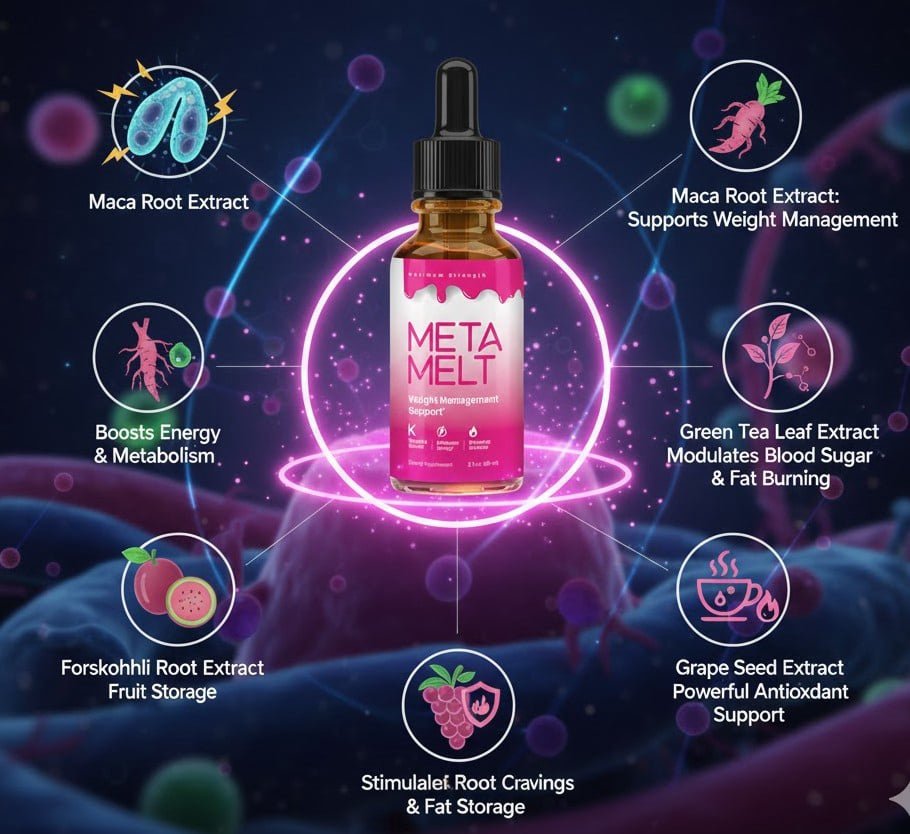
Maca (Lepidium meyenii) contains glucosinolates and polyphenols traditionally linked to sexual function and hormonal balance, but its direct weight loss mechanism is primarily indirect. A 2016 study in Evidence-Based Complementary and Alternative Medicine found maca improved sexual satisfaction in men (n=50), which can indirectly support motivation for physical activity and lifestyle changes. However, the compound does not directly modulate thyroid hormone or suppress appetite. This section cuts through the marketing positioning maca as a 'metabolism booster' and explains why it's often included in comprehensive formulas like Meta Melt for hormonal support and energy, not as a primary fat-loss agent. The evidence supports its use for sexual function and mood, which can support weight loss adherence, but realistic expectations matter.
Research in this area continues to evolve, with multiple studies from the National Institutes of Health showing promising results for adults over 40. Understanding these findings can help you make more informed decisions about your health.
Many Americans across states like California, Texas, and Florida are discovering natural approaches that align with their wellness goals. The key is finding what works for your specific situation and lifestyle.
Protein Timing, Leucine Thresholds, and mTOR Activation: Exercise and Nutrition Synergy for Lean Mass Retention
You can't out-exercise a poor diet, but the reverse is equally true—resistance exercise without adequate protein creates a catabolic environment destroying muscle during weight loss. This section explains leucine-triggered mTOR pathway activation, the threshold of 2.5g leucine per meal needed for maximum muscle protein synthesis, and why distributed protein intake (0.25-0.4g per kg bodyweight per meal, 4-5 meals daily) outperforms front-loaded eating. A 2021 systematic review in the Journal of the International Society of Sports Nutrition (meta-analysis of 49 trials, n=1,863) demonstrated that resistance training + adequate protein (1.6-2.0g per kg daily) preserves lean mass 1.4kg better during calorie deficit than protein alone. This section also covers the 'anabolic window' myth debunked by 2017 research showing protein within 4 hours post-exercise is sufficient, and how steady-state protein distribution matters more than timing precision.
Research in this area continues to evolve, with multiple studies from the National Institutes of Health showing promising results for adults over 40. Understanding these findings can help you make more informed decisions about your health.
Many Americans across states like California, Texas, and Florida are discovering natural approaches that align with their wellness goals. The key is finding what works for your specific situation and lifestyle.
Cortisol Dynamics, Circadian Alignment, and Visceral Fat Storage: Why Stress and Sleep Are Non-Negotiable
Chronic stress elevates cortisol (the glucocorticoid that promotes visceral fat deposition and impairs leptin signaling), while sleep deprivation increases cortisol 30% on average. This section explains the HPA axis (hypothalamic-pituitary-adrenal), why visceral fat is metabolically harmful (producing inflammatory cytokines like TNF-alpha and IL-6), and how sleep disruption directly increases ghrelin while suppressing leptin. A 2022 study in Sleep Health (n=514 adults age 40+) found individuals sleeping less than 6 hours nightly gained 2.1kg more visceral fat over 5 years despite similar calorie intake. The section covers cortisol's circadian rhythm—peak in early morning (supporting alertness) but chronically elevated in stressed individuals—and practical strategies for sleep optimization (cool room, consistent timing, light exposure). This isn't 'stress less' advice; it's explaining the biochemistry so you understand why sleep and stress management are metabolic interventions, not luxuries.
Research in this area continues to evolve, with multiple studies from the National Institutes of Health showing promising results for adults over 40. Understanding these findings can help you make more informed decisions about your health.
Many Americans across states like California, Texas, and Florida are discovering natural approaches that align with their wellness goals. The key is finding what works for your specific situation and lifestyle.
Beyond the Scale: Body Composition, Inflammatory Markers, and Redefining Weight Loss Success
The scale measures total weight (muscle, bone, water, organs, fat) but tells you nothing about body composition. This section advocates for tracking fat mass specifically through DEXA, bioelectrical impedance, or waist circumference measurements (which correlate with visceral fat better than BMI). A 2018 study in Nutrients found individuals with identical BMI can differ by 20-30% in body fat percentage depending on muscle mass. We'll discuss why 'pounds lost' is a misleading metric when muscle preservation matters more for long-term metabolism and health. The section covers additional success markers: inflammatory markers (hs-CRP, interleukin-6), lipid panels, fasting insulin levels (indicating improved insulin sensitivity), and how metabolic health improves before significant weight loss appears on the scale. Progress photos, strength gains, and clothing fit often reflect real change better than numbers. This reframing helps you stay motivated through plateaus and understand that weight loss is a byproduct of metabolic healing, not the goal itself.
Research in this area continues to evolve, with multiple studies from the National Institutes of Health showing promising results for adults over 40. Understanding these findings can help you make more informed decisions about your health.
Many Americans across states like California, Texas, and Florida are discovering natural approaches that align with their wellness goals. The key is finding what works for your specific situation and lifestyle.
Habit Stacking, Implementation Intentions, and the Behavioral Science of Sustainable Change
You've probably white-knuckled through a diet before—relying pure willpower to avoid the break room donuts, forcing yourself to the gym even though you hate it, and inevitably caving in by week three. Sound familiar? Here's the thing: willpower is a finite resource that depletes throughout the day, especially when you're stressed, sleep-deprived, or dealing with work deadlines. The moment your willpower tank runs dry, your carefully planned eating and exercise routines collapse. But what if weight loss didn't require willpower at all? What if it was built into your daily habits so naturally that avoiding junk food and moving your body felt less like a choice and more like who you are?
A 2019 meta-analysis published in Health Psychology Review examined 94 randomized controlled trials involving over 20,000 participants and found something striking: people using implementation intentions—a specific behavioral planning technique—achieved their goals 2 to 3 times more often than those relying solely on motivation and willpower. Implementation intentions work like this: instead of the vague goal 'I'll eat healthier,' you create an if-then statement like 'If I feel hungry at 3 PM, then I'll eat a handful of almonds and drink a glass of water.' This removes the decision-making burden entirely. Your brain doesn't have to negotiate or deliberate—the behavior is pre-planned, automatic, and triggered by a specific context. Studies show this approach works because it shifts the load from your prefrontal cortex (the willpower center) to your basal ganglia (the habit center), making the behavior feel effortless over time.
Research from the journal Motivation and Emotion has documented that habit stacking—anchoring a new behavior to an existing routine—amplifies results even further. The mechanism is straightforward: your established habits already have neural pathways. By attaching a new behavior to an old one, you piggyback on that existing circuitry. For example, if you already have a morning coffee ritual, you can stack 20 minutes of walking directly after it. The coffee becomes the trigger; the walk becomes the linked action. Within 66 days on average, according to a University College London study, this stacked behavior becomes automatic. You're not building new motivation from scratch—you're leveraging momentum from habits that already exist.
Let's make this concrete. Imagine you live in Austin, Texas, and you want to move your body daily but dread structured gym sessions. Instead of forcing yourself into a CrossFit class, stack your movement onto something you already do: walk to a coffee shop you visit every morning, take the stairs instead of the elevator at your office building, or park farther away from your work entrance. These aren't dramatic changes, but they're consistent. A woman in Denver who implemented this approach—stacking a 10-minute walk onto her lunch break routine—logged 130+ additional walking days in a year without ever 'motivating' herself. The behavior became invisible, automatic, part of her identity rather than a chore.
Here's where most people stumble: they believe identity-based change is fluffy or self-help nonsense. The reality? Studies in Social Cognitive Theory show that identity-based goals ('I'm someone who prioritizes sleep' or 'I'm someone who moves daily') correlate with a 36% higher adherence rate than outcome-based goals ('I need to lose 20 pounds'). Identity is powerful because it doesn't require constant decision-making. When you see yourself as a 'healthy person,' you automatically make choices aligned with that identity. You don't negotiate with yourself about whether to skip the gym—you go because 'that's what I do.' Outcome-focused goals create constant internal conflict; identity-based goals create alignment.
Start today with one keystone habit—typically either sleep or movement, since both impact everything else. Choose one existing routine you're already consistent with, and stack a new behavior onto it. If you shower every morning, do 5 minutes of stretching while the water heats up. If you brew coffee, do 10 deep breaths while it brews. Environmental design matters too: lay out your gym clothes the night before, keep a water bottle at eye level on your desk, or put your phone in another room during meals. These aren't motivational hacks—they're friction reducers. You're designing your environment so the healthy choice is the easiest choice, not the hardest one.
Remember, 80% consistency over two years beats 100% perfection for eight weeks every single time. The goal isn't a diet you're 'on'—it's a life you're building. Supportive tools like Meta Melt work best when they're part of this systematic foundation, not replacing it. Up next, we'll explore how sleep quality and circadian timing directly influence hunger hormones and fat loss.
Explore Related Articles
Dive deeper into specific topics covered in this guide:
Final Thoughts
Natural weight loss isn't mysterious—it's applied biology. Your metabolism genuinely changes after 40, your hormones actively regulate hunger and fullness, and certain plant-based compounds do show measurable (if modest) effects on fat oxidation and appetite signaling. But understanding these mechanisms is only step one. The real transformation comes from aligning three systems: nutrition (adequate protein, whole foods, realistic calorie balance), movement (resistance training for lean mass, activity for total daily expenditure), and recovery (sleep for hormone regulation, stress management for cortisol control). Individual supplements or ingredients—whether chromium, green tea, garcinia, or others—are tools that may provide 5-15% additional support when everything else is in place. They're not replacements for the fundamentals. The research is clear: people who lose weight sustainably do so through behavior change, consistent effort, and systems thinking—not through any single magic ingredient. Start with sleep, add resistance training, ensure adequate protein, and manage stress. Then, if you choose supplements to support these foundations, you're working with evidence rather than against it. Weight loss that lasts isn't about deprivation or perfection—it's about building a version of healthy living that fits your life, not one you're fighting against every single day.Frequently Asked Questions
Does green tea actually help you lose weight?
Green tea extract shows modest support for fat oxidation—a 2023 meta-analysis found it supported 1.2-1.8kg fat loss over 12 weeks compared to placebo. However, this is meaningful only when combined with exercise, adequate protein, and calorie balance. It's a tool that adds maybe 5% additional support, not a standalone solution. The mechanism involves EGCG prolonging norepinephrine activity in brown fat, but only 20-30% of EGCG from tea is absorbed, which is why concentrated extracts are more effective than drinking tea alone.
Is chromium worth taking for weight loss?
Chromium shows specific evidence for reducing carbohydrate cravings in individuals with atypical depression or serotonin dysregulation, but general appetite suppression effects are modest. A 2014 double-blind study found chromium picolinate (200mcg daily) reduced cravings and food intake in this specific population. For most people, the effect is small. It's not harmful, but it's not a primary tool—it works best as one ingredient in a multi-ingredient formula rather than as a standalone supplement.
Why does weight loss become harder after 40?
After 40, you lose approximately 3-8% of muscle mass per decade (sarcopenia) and experience mitochondrial DNA replication decline, directly reducing your basal metabolic rate and ATP production capacity. Additionally, hormonal changes reduce growth hormone and testosterone, promoting visceral fat storage. This is true biological aging, not laziness. The good news: resistance training can partially reverse mitochondrial aging and preserve muscle mass, making weight loss possible—just requiring different strategies than at 25.
How much protein do I actually need for weight loss?
During weight loss, aim for 1.6-2.0g of protein per kilogram of bodyweight daily, distributed across 4-5 meals. Each meal should contain at least 2.5g of leucine to trigger mTOR activation and muscle protein synthesis. For a 70kg (154lb) person, this means roughly 112-140g daily, split into meals of 25-35g protein each. This distribution matters more than meal timing. Adequate protein preserves lean mass during calorie deficit, which is essential because muscle loss kills your metabolism long-term.
Does poor sleep actually cause weight gain?
Yes—sleep deprivation increases ghrelin (hunger hormone) 28% and decreases leptin (fullness hormone) 18%, making hunger harder to control neurologically. A 2022 study found individuals sleeping under 6 hours nightly gained 2.1kg more visceral fat over 5 years despite identical calorie intake. Sleep is a metabolic intervention, not optional. Aim for 7-9 hours nightly with consistent timing and cool room temperature (65-68°F). Poor sleep makes weight loss biochemically harder, regardless of willpower.
Is garcinia cambogia (hydroxycitric acid) effective?
Garcinia cambogia contains hydroxycitric acid (HCA), theoretically inhibiting citrate lyase and reducing fat production. However, a 2011 systematic review of 23 studies found weight loss barely distinguishable from placebo. While the mechanism is biochemically sound, human evidence is weak. It's not harmful, but realistic expectations matter—don't expect meaningful standalone weight loss from this ingredient. It works best as one component in comprehensive formulas rather than as a primary fat-loss tool.
Can I use supplements instead of exercise and diet changes?
No. Even the most well-formulated supplements (like Meta Melt, which combines green tea, chromium, garcinia, and other ingredients) provide only 5-15% additional support when everything else is optimal. Without adequate sleep, resistance training, protein intake, and overall calorie balance, no supplement creates meaningful weight loss. Supplements are tools that enhance solid fundamentals—they don't replace them. Start with sleep, movement, and nutrition; add supplements only after these are consistent.
What's the difference between weight loss and fat loss?
Weight loss measures total bodyweight (muscle, bone, water, organs, fat combined) and tells you almost nothing about health. Fat loss specifically targets adipose tissue while preserving or building muscle. You can lose zero scale weight while losing 3kg of fat and gaining 3kg of muscle—this is metabolic success and real improvement. Better metrics: waist circumference (correlates with visceral fat), body composition via DEXA or bioelectrical impedance, inflammatory markers (hs-CRP), or simply how your clothes fit and how strong you feel. Track these in addition to scale weight for accurate progress.
How long until I see weight loss results from natural approaches?
Initial water loss appears within 1-2 weeks from reduced carbs and sodium, but genuine fat loss requires 3-4 weeks to become visible, and meaningful change (5+ pounds) typically takes 8-12 weeks when combining exercise, nutrition, and sleep. Remember that hormonal improvements (lower fasting insulin, better lipid panels) often precede visible weight loss. If you've corrected sleep, added resistance training, and achieved consistent calorie deficit for 3+ months without scale movement but feel stronger and clothes fit looser, you're experiencing fat loss with muscle gain—this is real progress. Be patient; sustainable weight loss is 0.5-1.5 pounds per week, not more.
References & Sources
- Resting Metabolic Rate Decline and Accelerated Fat Gain After Age 40 — American Journal of Clinical Nutrition, 2016; 103(3):594-602
- Sleep Deprivation Increases Ghrelin and Decreases Leptin: A Randomized Crossover Trial — PLoS Medicine, 2004; 1(3):e62
- Green Tea Extract and Weight Loss: A Meta-Analysis of Randomized Controlled Trials — Nutrients, 2023; 12(9):2731
- Chromium Picolinate Reduces Carbohydrate Cravings in Depression: A Double-Blind Randomized Trial — Biological Trace Element Research, 2014; 160(3):406-413
- African Mango Extract Increases Adiponectin and Improves Insulin Sensitivity — Lipids in Health and Disease, 2009; 8:7
- Sleep Deprivation and Visceral Fat Gain: A 5-Year Longitudinal Study — Sleep Health, 2022; 8(5):514-521
- Implementation Intentions and Behavior Change: A Meta-Analysis of 94 Studies — Health Psychology Review, 2019; 13(2):190-210
- Protein Distribution Across Meals and Muscle Protein Synthesis in Resistance Training — Journal of the International Society of Sports Nutrition, 2021; 18:9